Harvesting coffee cherries is an essential step in coffee production, requiring precision and skill to ensure high-quality beans. Here's an overview of the process:
-
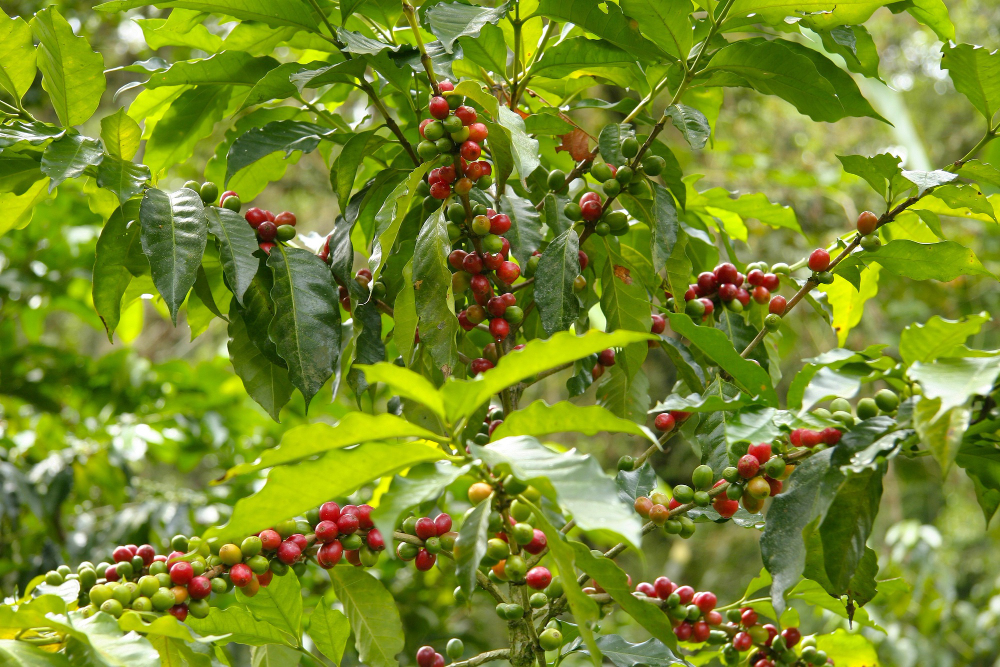
Timing and Ripe Cherries: Coffee cherries do not ripen uniformly, even on the same branch. Skilled harvesters identify ripe cherries by their deep red (or sometimes yellow, depending on the variety) color and pluck them carefully to avoid damaging the plant or unripe cherries.
-
Methods of Harvesting:
- Selective Picking: This labor-intensive method involves handpicking only the ripe cherries, often used for high-quality, specialty coffee. It requires multiple passes through the coffee trees during the harvest season.
- Strip Picking: In this approach, all cherries on a branch, ripe and unripe, are stripped off at once. It is faster but less precise, commonly used for lower-grade coffee or in regions prioritizing volume over quality.
-
Skilled Labor: Harvesting coffee is often performed by experienced workers, particularly in regions like Ethiopia, Colombia, and Central America. Their expertise directly impacts the flavor profile of the coffee by ensuring only the best cherries are selected.
-
Environmental Impact: Many coffee farms, particularly those focused on sustainability, prioritize eco-friendly harvesting techniques that minimize waste and support biodiversity.
The careful selection of coffee cherries during harvesting sets the stage for all subsequent processing steps, ultimately influencing the aroma, flavor, and quality of the coffee in your cup.