The transformation of coffee cherries into the beans used to brew coffee is a meticulous process that involves several key stages. Here’s an overview:
-
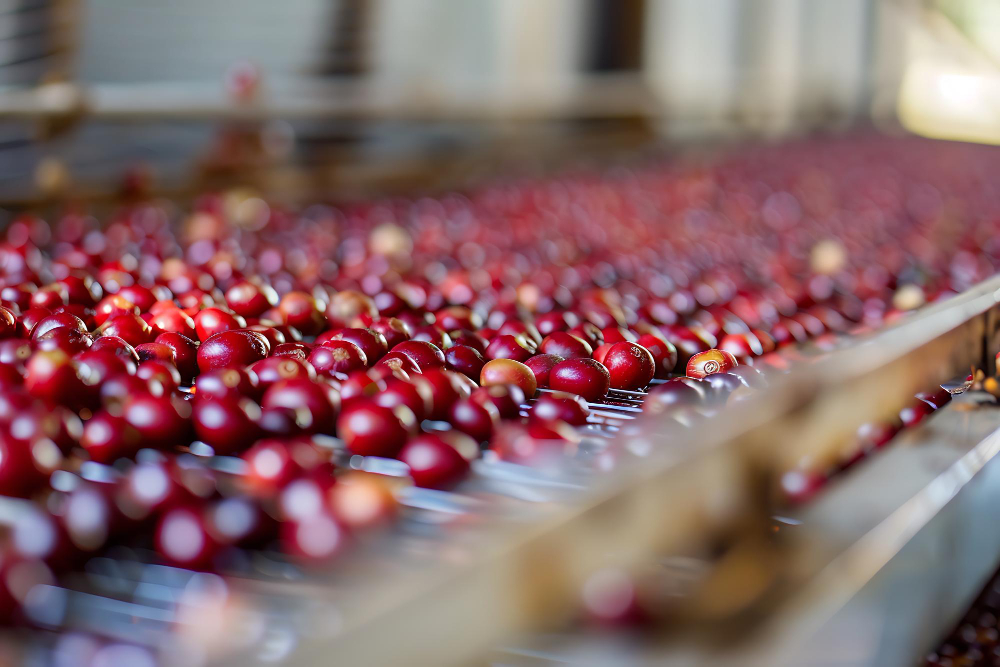
Harvesting: Coffee cherries are typically handpicked to ensure only ripe cherries are selected. This step is crucial as the ripeness affects the flavor of the coffee.
-
Processing Methods: Once harvested, the cherries must be processed quickly to prevent spoilage. There are three primary methods:
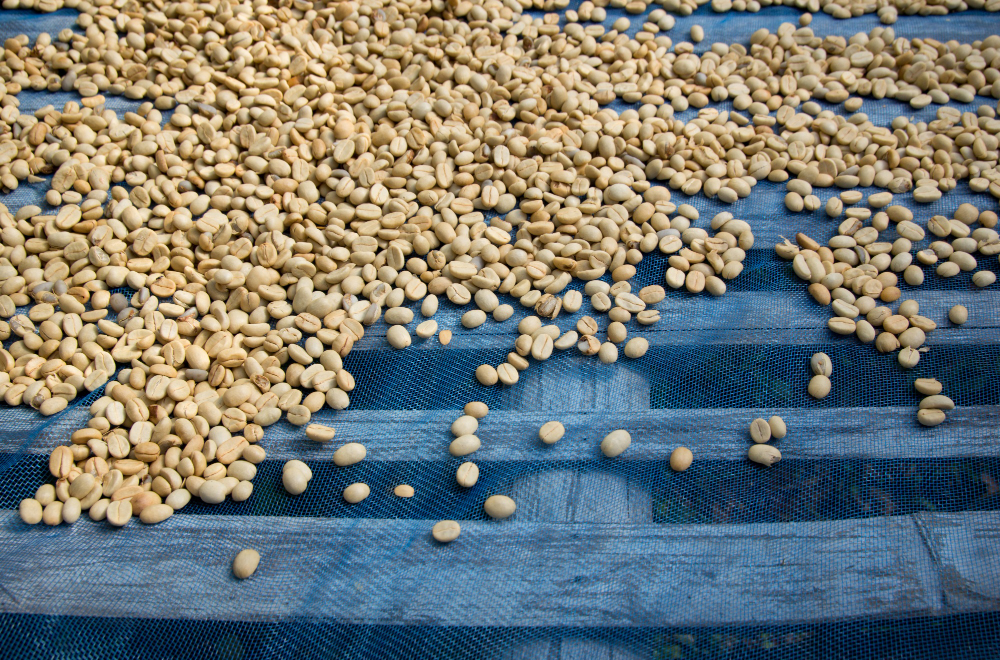
- Dry (Natural) Process: The cherries are spread out in the sun to dry, sometimes for several weeks, with regular turning to prevent mold. Once dried, the outer layers are mechanically removed.
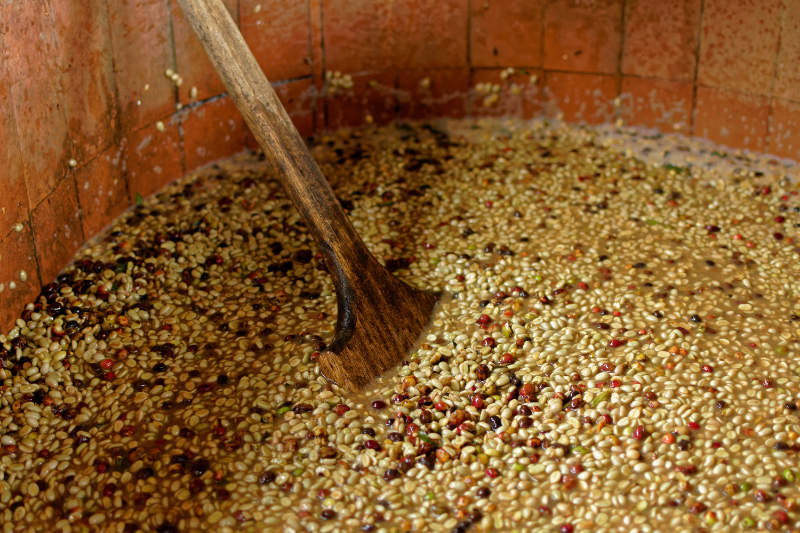
- Wet (Washed) Process: The cherries are pulped to remove the outer skin, then fermented to dissolve the mucilage layer. Afterward, they are washed and dried.
- Honey Process: A hybrid method where some mucilage is left on the beans during drying, resulting in a flavor profile between natural and washed coffees.
-
Drying: Beans, whether naturally processed or washed, are dried to a moisture content of about 10–12%. This is often done on drying beds or patios.
-
Hulling: Once dried, the beans are hulled to remove the parchment layer in washed coffee or the entire dried cherry in natural coffee.
-
Sorting and Grading: The beans are sorted by size, weight, and sometimes color. Defective beans are removed to ensure quality.
-
Roasting: The final step before brewing, roasting brings out the flavors locked within the green coffee beans. Roasting temperatures and times vary depending on the desired flavor profile.
This journey from cherry to bean highlights the importance of each step in crafting the coffee flavors enjoyed worldwide.